
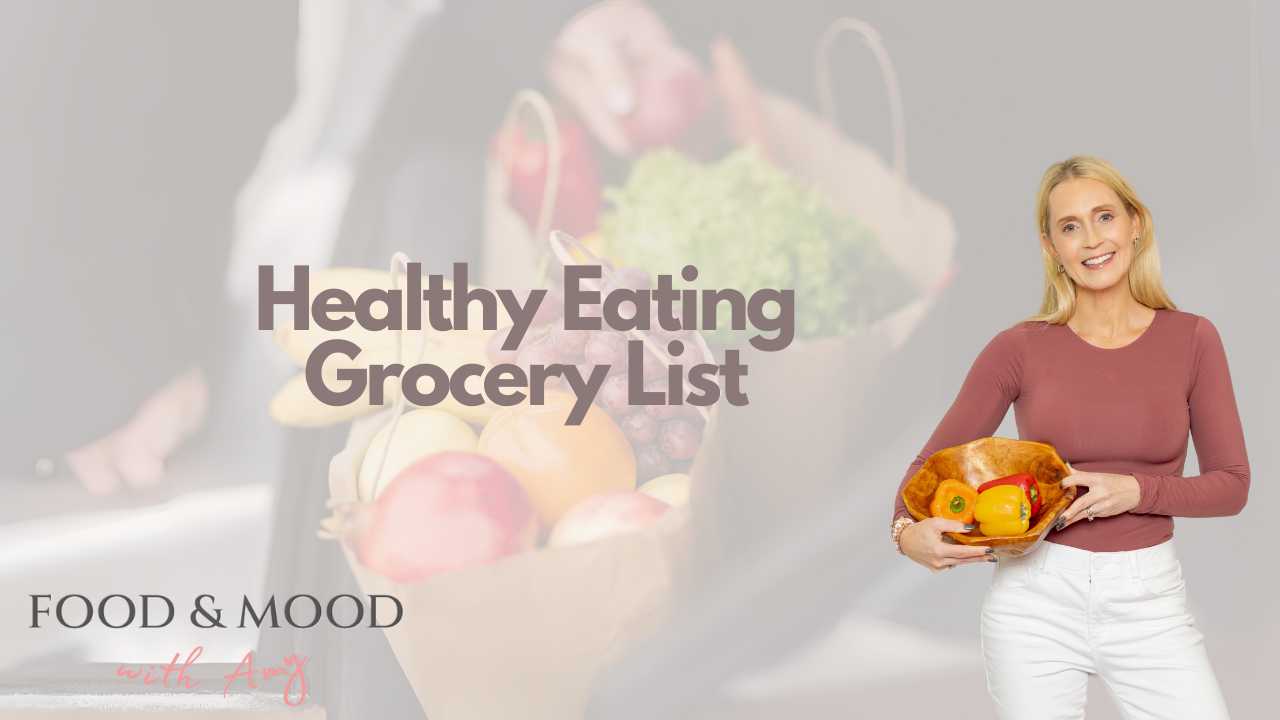
When grocery shopping for a healthy lifestyle, it’s important to make informed choices. Here are a few tips to guide you:
Meats & Poultry
When buying meats and poultry, look for lean cuts such as chicken breast, turkey, or lean grass-fed beef, and prioritize organic or pasture-raised options if possible. These choices can help minimize exposure to antibiotics and hormones commonly found in conventionally raised meats. Buy frozen, too. Frozen protein options can help you save money, and you can defrost and eat only what you need.
Fruits & Veggies
Start with shopping at the end caps of the produce aisle, which sometimes displays marked-down fruits and veggies. Also, opt for frozen varieties. Just make sure to choose options that contain only the fruit or vegetable, without added sugars or sauces. This ensures you’re getting the maximum nutritional value from your produce choices.
Grains
When buying grains, such as breads and wraps, check the labels to ensure you select options with at least 3 grams of fiber per serving. Look for whole grain varieties and avoid breads that list refined flour or added sugars as the first ingredients. Some good options include whole wheat bread, sprouted grain, or rye bread. These choices provide more nutrients and fiber compared to their refined counterparts.
Pasta
You should make pasta part of your healthy eating plan! The key is to make sure you buy pasta you enjoy eating and watch your portion size. Unlike many other refined grains (like donuts and white bread), pasta has a unique protein structure that makes it have a low glycemic index. And many varieties are typically enriched with essential nutrients, like folic acid. And now there are so many alternatives to boost your pasta’s nutrients and fiber (I usually mix my pasta with other options). Some popular choices include black bean, chickpea, hearts of palm, and shirataki. These options provide additional nutrients and are lower in carbohydrates than traditional wheat pasta. Experiment with different types to find the one that suits your taste and dietary needs.
Always read labels carefully and consider your dietary preferences and restrictions when making grocery choices. By prioritizing lean meats, frozen fruits and vegetables, high-fiber breads, and exploring alternative pastas, you can create a healthy and varied grocery list to support your well-being.







Leave A Comment
You must be logged in to post a comment.